After getting the trees in the ground, next priority is trying to stop them being eaten by wildlife (rabbits, deer, or squirrels) and grazing stock. We will graze the walnut orchard with sheep, so will be adding dual purpose stock guards effective against both sheep and deer. There are lots of different guarding options, all with pros and cons. We tried to do a review of possible guarding options for the walnut trees:
1) Tubex standard plus with 1.8m post double up as tree stake:

Walnut suitability: Low. “I would discount this completely as I think there is a high risk of walnut blight within the tube and it would be very hard to inspect. It might work with very large trees that had been grown as standards and had 2yr wood extending to the top of the tube, but otherwise definitely not a good idea” Andi Wilson, Fruit and Nut Ireland.
2) Welded mesh on a single tall post:

This method has been designed to be robust enough to stand up to rubbing and scratching by stock. The small gap left between ground and guard means that sheep can graze to the base of the tree preventing it being swamped by vegetation. Rabbit guard protects base of tree from grazing damage.
Suitability for Walnuts: Potentially. Andi Wilson, Fruit and Nut Ireland was concerned it wouldn’t offer protection high enough. Sheep will have a reach of at least 1.2m (vertical and horizontal combined), probably more. Risk of damage below level of the mesh.
3) Three posts and stock fencing:

Three sturdy posts and 1.3m high mesh. Separate tree support stake and rabbit guard necessary. Suitable for protection against sheep and probably muntjac deer. Height of the posts leaves plenty of room for adding strands of wire, barbed or not, should it prove necessary. Suitability for walnuts: Could be suitable. The photo shows wire of a much lower height than the spec of 1.3m. All branches below 1.4m would have to be pruned off (this will also make weeding inside the wire easier). Weeds may be hard to reach so a weed mat in conjunction would be useful. The posts would need to be 1.8m.
3) Two posts, reinforced by timber top bars, wire mesh and optional barbed wire strands:

Should be suitable for protection against sheep, ponies, small cattle breeds and deer. Will withstand rubbing and scratching by lighter weight animals. Vegetation will need controlling inside the guard. Barbed wire should be used with caution if livestock are likely to try and get their heads inside the guard. Tree will need additional support stake and a rabbit guard. Suitability for walnuts? Andi Wilson’s preferred option. “This is what I have used successfully before. Weed control might be an issue but if the horizontal timbers aren’t too high (say 1m max) it would be possible to reach over. All branches below 1.2m should be pruned off. Not sure if spirals would be needed as well”.
For another guide to protection options check out Dartington’s blog post: https://www.dartington.org/plum-plots-a-foray-into-silvopasture/
Currently the walnuts have been planted with rabbit guards and sheep are fenced out the field whilst we decide and construct out tree guards. Updates to follow as the guards go up!

Cactus guards get the go ahead
Following further tree guard research and quotes from material suppliers and fencers we decided to try the slightly experimental protector cactus guards. This is partly as the quotes for the prefered timber based fenced tree guard options proved too expensive and would have been very labour intensive to construct. This left us with the welded-mesh style guards as the second best option. Rather annoyingly the wleded mesh guards only come in at 1.2m (slightly too low tooffer good deer protection) or 1.8m slightly too high for desired growth and training of young walnut trees. Harriet Bell from Dartington reccomended the protector cactus tree guards- she found them on her quest to find a goat proof tree guard. They had a few obvious benefits; they were 1.6m a better height, they come flat pack so are easier/less expensive to have delivered, they are covered in very sharp spines to deter animals rubbing on them. According to the website: ‘Protector Cactus tree guards are an innovative product based on biomimetics, aimed at protecting trees, plants, shrubs and reforested areas from damage caused by domesticated and wild livestock. These tree guards resemble an artificial prickly shrub ideal for protecting trees and plants against grazing and browsing animals. They also offer a more cost-effective option than traditional solutions that use electro-welded wire mesh cages: they are easy to install and can be set up at any time of the year, meaning there is no need to prune the shrubs, bushes and trees beforehand.’ http://tienda.protectorcactusworld.com/en/3-protector-cactus https://protectorcactusworld.com/en/presentation-cactus-protector/


Pre-guarding sheep and deer damage…
We did leave about 5 weeks between planting and guarding- a slightly risky choice will sheep and deer in the surronding area. There was evidence of deer browsing the young growth on a few of the early leafing cultivars and the lambs had discovered how to get under the gate into the walnut field and had enjoyed destroying two trees. Photo evidence below of why guarding trees against lifestock is very important!


Squirrels
It would be possible to write about planting walnuts without writing about squirrels. They pose the biggest risk to the future crop and young trees if they start bark stripping. The concern over squirrel damage seems to be one of the biggest barriers stopping the establishment of nut groves in England. This does seem close minded to me. Across the globe, often driven by necessity, humans have found creative solutions to growing crops plagued by many pests that could be considered far worst and more challenging to keep out than squirrels.
So what are our options for growing nut trees without constant squirrel battles?
- Select a site away from prime squirrel habitat. Avoid siting your nut orchard next to existing squirrel populated pockets of woodland. Squirrels don’t like to run across open ground for long distances. Some research suggests that keeping a 25m buffer of short cut grass around the edge of the orchard should be enough to deter squirrels. One Kentish cobnut grower I have spoken to has so far avoided having any squirrel problems as his orchard is surrounded by a very busy road on two sides and agricultural land on the other- the squirrels are yet to reach him!
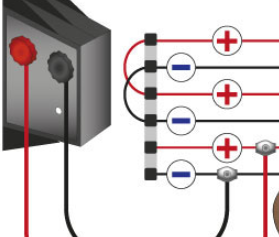
- Keep the squirrels out/off. In theory it should be possible to fence squirrels out on an area using a version of electric fencing developed to keep pine-martins out of chicken fields in the USA. Squirrels and pine-martins have similar physiology and it has been found they can’t jump more than 1.2m from standing. By combining chicken fencing with alternating strands of positive/ negative wires between 1-1.4m, you should be able to stop squirrels climbing and entering a field (provided there are no overhanging trees or canopy connections). The positive and negative wires run parallel to each other at a distance large enough for the electricity to not arc from one wire to the other but close enough that the animal would touch both wires at the same time and complete the electrical circuit and get a shock. You can have them vertically on your fence, horizontally or at an angle. Other deterrent methods could include; guards to stop squirrels climbing tree trucks, artificial ‘snakes’ in trees have been used if they are moved regularly, and repellents using plant extracts (catnip/peppermint/daffodil) and capsaicin (chilli peppers) applied regularly.



3. Manage squirrel populations: There are different options out there to manage squirrel populations. Automatic self-loading traps exist, poison hoppers exist. You can live-trap squirrels using cages with bait (although you are legally obliged to check everyday and shoot animals as it is an offence to re-release). Introducing a natural squirrel predator could be an option. Pine-martins have been shown to keep grey squirrel populations in check. Certain birds of prey (Harris and Red-tail hawks) can be trained to hunt squirrels. Historically even domestic pets were used, there are records of people using dogs to chase pest species and an orchard being roamed by 60 feral cats to keep the squirrel populations in check. Currently a ‘contraceptive’ vaccine/pill is being developed for grey squirrels and is being trialled in a few locations. The idea being to drastically reduce population numbers over a few seasons to readdress balance.
Beetle damage on young growth


 A Walnut Tree Tenancy